

Call us now
08071930694
Titanium Pipe
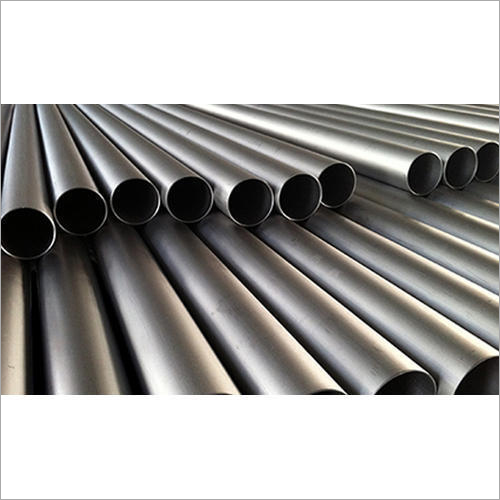
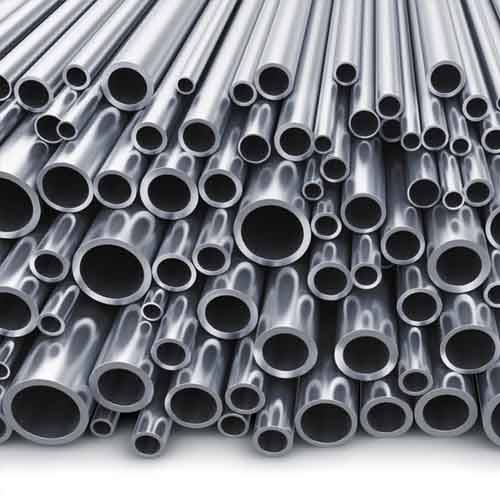
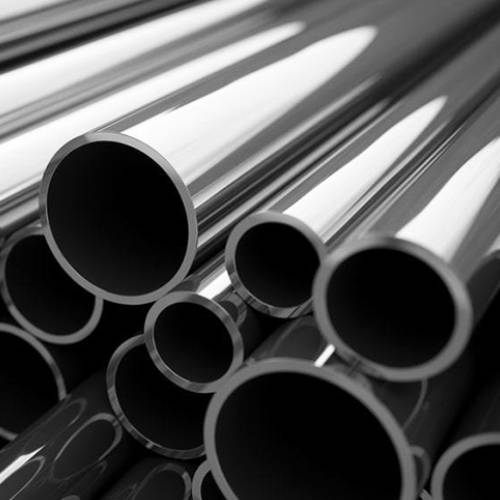
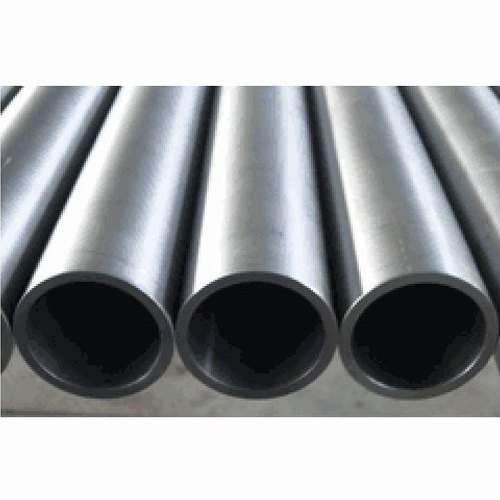
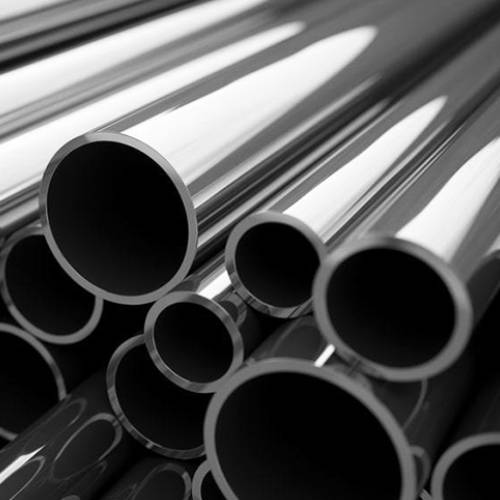
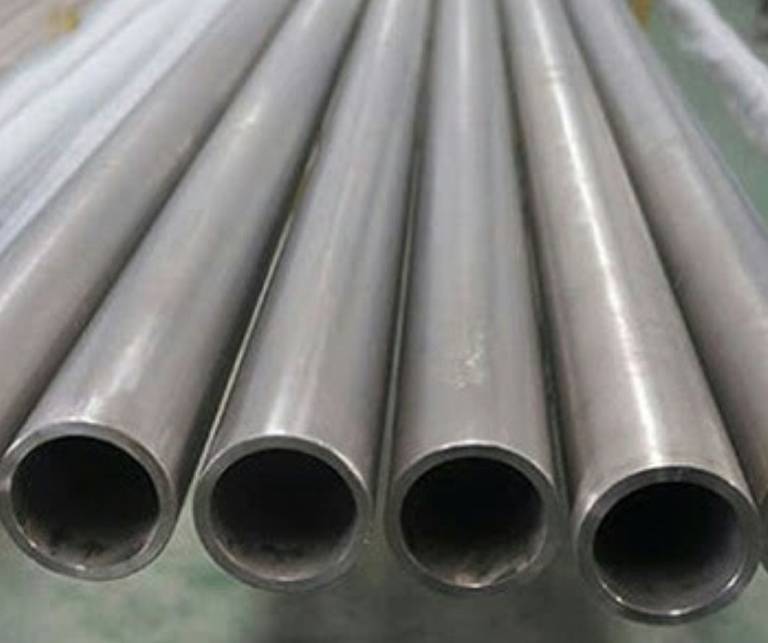

Titanium Pipe Specification
- Connection Type
- plain
- Material Grade
- titanium
- Pipe Type
- seamless
- Material
- Titanium Pipe
- Other Material
- Other
- Product Type
- Other
- Type
- Other
- Shape
- Round
- Standard
- Other
- Technique
- Surface Treatment
- Other
- Diameter
- 10 mm - 219 mm Meter (m)
- Length
- Up to 6000 mm Meter (m)
- Wall Thickness
- 0.5 mm - 20 mm Meter
- Grade
- GR1, GR2, GR3, GR5, GR7, GR9, GR12
- Density
- 4.51 Gram per cubic centimeter(g/cm3)
- Color
- Silvery Grey
- Temperature Resistance
- Up to 600°C
- Melting Point
- 1660°C
- Corrosion Resistance
- Excellent
- Application
- Chemical Processing, Aerospace, Marine, Medical, Power Generation
- End Connection
- Plain End, Beveled End
- Tensile Strength
- min. 240 MPa (Grade 2)
- Packaging
- Wooden Case/Bundle with Plastic Cap Protection
- Hardness
- Rockwell 80-94 HRB
Titanium Pipe Trade Information
- Payment Terms
- Cash Advance (CA), Cash in Advance (CID)
- Supply Ability
- 5000 Per Day
- Delivery Time
- 4 Days
- Sample Available
- Yes
- Sample Policy
- Contact us for information regarding our sample policy
- Main Export Market(s)
- Asia
- Main Domestic Market
- All India
About Titanium Pipe
Titanium Pipe is ideally used in the chemical processing industries. This pipe is made with a solid steel construction material to render a corrosion resistant material. It is highly durable and gives a better performance. Therefore, we are providing a custom made solutions with easy mode of payment options. Titanium Pipe has a protective oxide film which can withstand on harsh environment. It also enables a great heating properties. It removes the fluid leakage issue with its tough metal construction.
Superior Corrosion and Temperature Resistance
Titanium pipes excel in harsh environments, providing excellent resistance to chemicals and seawater. Withstanding temperatures up to 600C and offering a melting point of 1660C, they ensure durability and reliability across demanding industrial sectors. Their polished surface and structural integrity make them an ideal choice for challenging applications.
Wide Range of Grades and Specifications
Available in grades GR1, GR2, GR3, GR5, GR7, GR9, and GR12, titanium pipes meet diverse performance requirements. Options for seamless or alloy pipes ensure compatibility with various operational needs. Manufactured to strict ASTM standards, each pipe is precision-crafted using cold rolled, cold drawn, or seamless techniques.
Applications Across Critical Industries
These pipes are a top selection for chemical processing, aerospace, marine, medical, and power generation due to their unique material properties. The combination of high strength, low density, and corrosion resistance allows for their use in environments where reliability and longevity are paramount.
FAQ's of Titanium Pipe:
Q: How are titanium pipes used in chemical processing industries?
A: In chemical processing, titanium pipes transport aggressive chemicals and withstand highly corrosive environments, ensuring long service life and minimizing maintenance thanks to their excellent corrosion resistance.Q: What benefits do titanium pipes offer in aerospace and marine applications?
A: Titanium pipes provide high strength-to-weight ratios and resist corrosion from saltwater and atmospheric conditions, making them ideal for aerospace and marine components that require lightweight durability and extended operational performance.Q: When should plain end or beveled end connections be specified?
A: Plain end connections are commonly chosen for slip-on fittings, while beveled ends are preferred for welding joints, ensuring a secure and leak-resistant fit tailored to specific installation requirements.Q: What is the process for manufacturing seamless titanium pipes?
A: Seamless titanium pipes are made using cold rolled or cold drawn methods, where titanium is formed without welds to enhance integrity and strength, conforming to ASTM B861 and related standards for quality assurance.Q: Where can titanium pipes be utilized in power generation?
A: Titanium pipes are used in power plants, especially in heat exchangers and condensers, due to their high temperature resistance (up to 600C) and ability to withstand harsh operating environments without degrading.Q: What packaging is provided for titanium pipes to ensure safe transport?
A: Titanium pipes are securely packaged in wooden cases or bundled with plastic caps on the ends, protecting them from physical damage and contamination during transit or storage.Q: What grades of titanium pipes are available and how do they differ?
A: Grades such as GR1, GR2, GR3, GR5, GR7, GR9, and GR12 refer to composition and mechanical properties, with Grade 2 offering a balance of moderate strength and excellent corrosion resistance for general industrial use.Price 3000.0 INR/ Kilograms
- Supply Ability
- 5000 Per Day
- Delivery Time
- 4 Days
- Main Domestic Market
- All India
- Main Export Market(s)
- Asia
 Get Latest Price
Tell us about your requirement

Price:
Quantity
Select Unit
- 50
- 100
- 200
- 250
- 500
- 1000+
Additional detail
Mobile number
Email


SAGAR STEEL CORPORATION
GST : 27ABDFS3717N1ZS
GST : 27ABDFS3717N1ZS
P.B. No. 3788, 3/5 Sakar Bhavan, Ground Floor, 6th Khetwadi Lane, Mumbai - 400004, Maharashtra, India
Phone :08071930694
 Send Inquiry
- Steel Pipe
- Steel Flange
- Stainless Steel Tube
- Titanium Bar
- Titanium Pipe
- Titanium Rod
- Stainless Steel Hex Bolt
- SS Plain Washer
- High Tensile Steel Plate
- Inconel Plate
- Monel Plate
- Stainless Steel Sheet
- Steel Plate
- Steel Round Bar
- Stainless Steel Coil
- Steel Channel
- Steel Angle
- Stainless Steel Wire
- Steel Beam
- Stainless Steel Flat Bar
- Stainless Steel Circle
- Stainless Steel Fittings
 Send Inquiry
 Send SMS
SAGAR STEEL CORPORATION
All Rights Reserved.(Terms of Use)
Developed and Managed by Infocom Network Private Limited.
Developed and Managed by Infocom Network Private Limited.

